Recorded: A Serif Font for Modern Web Design
As a web designer, I constantly seek fonts that balance aesthetics with functionality. Recorded is one such font that stands out for its elegant blend of classic calligraphy and modern serif design. It’s not just another typeface—it’s a versatile tool that can elevate the visual hierarchy and brand tone of any digital project.
The Visual Personality of Recorded
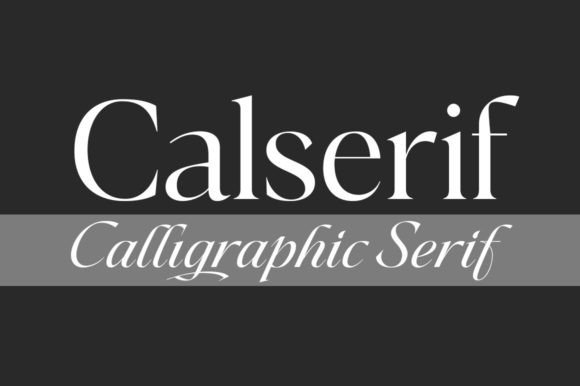
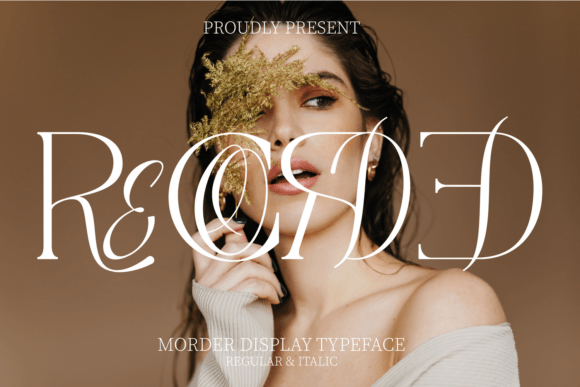
Recorded is a hybrid font that marries the fluidity of calligraphy with the structure of modern serif typography. Its lowercase letters feature a soft, flowing script that adds a touch of sophistication and artistry. This unique style makes it ideal for creating a sense of luxury and refinement in your designs.
What sets Recorded apart is its ability to maintain legibility even in decorative use. Unlike many script fonts that can become difficult to read at smaller sizes, Recorded retains clarity and rhythm, making it suitable for both display and body text. This versatility allows designers to experiment with typography without compromising readability.
Using Recorded in Web Design
Recorded is a powerful choice for a variety of web design applications. From hero sections and landing pages to online store banners and blog headers, this font can help create a cohesive and visually appealing layout.
For example, using Recorded as a header font on a creative portfolio site can immediately convey a sense of professionalism and artistic flair. Similarly, pairing it with a clean sans-serif font for body copy can create a striking contrast that guides the user’s eye through the content effectively.
When designing a boutique online store, Recorded can be used for product titles or promotional banners to draw attention and enhance brand identity. In a coaching website, it can be applied to section headings or call-to-action buttons to encourage user interaction and engagement.
Readability and Responsiveness
One of the key considerations in web design is ensuring that text remains readable across all devices and screen sizes. Recorded performs exceptionally well in this regard. Its balanced letterforms and consistent spacing make it suitable for both desktop and mobile layouts.
On small screens, Recorded maintains its legibility when used at appropriate sizes. For responsive designs, it’s important to test how the font looks on different backgrounds and against image overlays. Recorded works well on light and dark backgrounds, making it adaptable for various design contexts.
When using Recorded for buttons or short phrases, ensure that the font size is large enough to remain clear and scannable. In areas where users need to quickly process information, like a course sales page or a product landing page, Recorded can help guide their attention while maintaining a professional aesthetic.
Font Pairing and Brand Identity
Pairing Recorded with complementary fonts can significantly enhance the overall design. For instance, combining it with a simple sans-serif font like Montserrat or Open Sans creates a strong visual contrast that highlights the elegance of Recorded while keeping the rest of the text easy to read.
For a more editorial feel, consider pairing Recorded with another serif font for body copy. This approach can evoke a sense of tradition and reliability, which is particularly useful for branding in sectors like fashion, lifestyle, or creative industries.
When building a brand identity, Recorded can serve as a signature font that reinforces the brand’s personality. Whether used in logo design, social media graphics, or packaging design, its distinctive style helps create a memorable and consistent visual language.
Technical Considerations
Before integrating Recorded into your projects, it’s essential to check the included styles, file formats, and webfont availability. Most premium fonts offer multiple weights and alternates, which can be useful for creating typographic variations within a single design.
Ensure that the font supports the languages and characters relevant to your target audience. If you’re working on international projects, multilingual support can be a valuable asset.
When using Recorded commercially, always verify the licensing terms. Whether you’re designing for a client project, an online store, or a digital template, proper licensing ensures that your work remains compliant and protects your rights as a designer.
Conclusion
Recorded is more than just a font—it’s a design tool that can enhance the visual appeal and usability of your digital projects. With its luxurious mix of calligraphy and modern serif elements, it offers a unique way to express brand identity while maintaining readability and accessibility.
Whether you’re building a creative portfolio, launching a new product, or crafting a compelling landing page, Recorded has the potential to elevate your designs and create a lasting impression. By understanding its strengths and applying it thoughtfully, you can harness its power to create beautiful, functional, and engaging digital experiences.