Thei: A Script Font for Modern Web Design
As a web designer, I’ve spent countless hours selecting the right typeface to elevate a project’s visual appeal and usability. Thei stands out as a unique blend of traditional calligraphy and modern design, offering both elegance and versatility for digital projects. Its refined strokes and fluid curves create a sense of luxury that can transform any layout into something more memorable.
What Makes Thei Stand Out?
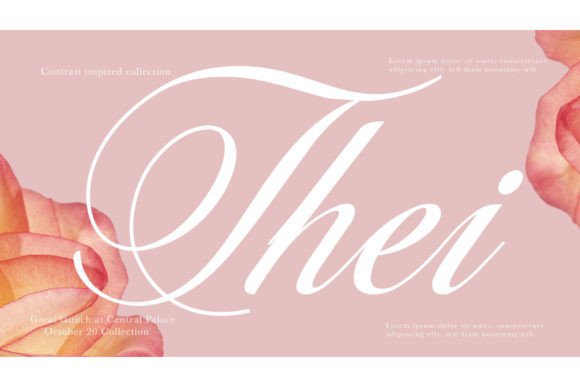
Thei is not just another script font—it's a carefully crafted typeface designed with digital creators in mind. Its structure balances the organic feel of handwritten elements with the clarity needed for online readability. The subtle contrast between thick and thin strokes adds visual interest without overwhelming the reader, making it ideal for both decorative and functional use cases.
Whether you're working on a brand-focused website or a high-converting landing page, Thei brings a touch of sophistication that aligns with contemporary design trends. Its personality is refined yet approachable, making it suitable for a wide range of creative industries—from boutique e-commerce sites to editorial platforms and digital marketing campaigns.
Using Thei in Web Layouts
Thei shines in areas where typography plays a key role in user engagement. For instance, using Thei for hero section headers can immediately capture attention while maintaining a sense of professionalism. Its elegant form works well with short phrases, such as taglines or call-to-action buttons, helping to guide the viewer’s eye through the content flow.
In addition to headers, Thei can be used for logo text, brand name displays, and even decorative accents. When paired with a clean sans-serif body font, it creates a balanced hierarchy that enhances readability and reinforces brand identity. This makes it an excellent choice for websites that require both visual flair and clear communication.
For digital products like course sales pages or portfolio sites, Thei adds a layer of creativity and personality that resonates with audiences looking for authenticity. It’s also great for blog headers, social media graphics, and branded templates where a distinctive typeface can help differentiate a brand from competitors.
Readability and Responsiveness
While Thei has a beautiful aesthetic, its readability is equally important in digital environments. On mobile screens, the font performs exceptionally well when used in larger sizes, ensuring legibility across different devices. It maintains its character even at smaller sizes, which is crucial for buttons, navigation menus, and other interactive elements.
When designing for dark or light backgrounds, Thei adapts well, though it’s always wise to test contrast ratios to ensure optimal visibility. For image overlays or banners, the font’s subtle variations allow it to remain legible without competing with visual elements. This flexibility makes it a reliable choice for responsive layouts that need to work across various screen sizes and device types.
Font Pairing and Brand Identity
Pairing Thei with complementary fonts can enhance its impact while maintaining a cohesive design language. For example, pairing it with a simple sans-serif font like Montserrat or Inter for body copy creates a striking contrast that highlights Thei’s decorative qualities. This combination is perfect for editorial-style websites or blogs that want to convey both creativity and professionalism.
If you’re building a brand identity around luxury or craftsmanship, Thei can serve as the anchor font for your visual system. Its refined appearance supports a premium feel, making it ideal for high-end product pages, fashion brands, or creative agencies. However, it’s important to consider how it interacts with other design assets—such as color schemes, imagery, and layout structures—to maintain consistency across all touchpoints.
Practical Considerations for Web Use
Before implementing Thei in your projects, make sure to check the font’s licensing terms and available formats. Most premium fonts like Thei come with webfont support, including WOFF and WOFF2 variants, which are optimized for fast loading times. These formats ensure that your design remains accessible and performant, even on slower internet connections.
Additionally, look for alternate weights and styles if they are included. Having access to lighter or bolder versions of Thei can help you create more dynamic typographic compositions. If multilingual support is required, confirm whether the font includes characters for your target audience, especially if you’re designing for international markets.
Finally, remember that font licensing allows you to use Thei on client projects, online stores, landing pages, and digital templates. This means you can confidently incorporate it into your workflow without worrying about legal restrictions, as long as you adhere to the agreed-upon terms.
Conclusion
Thei is more than just a beautiful script font—it’s a powerful tool for designers who want to elevate their digital creations. With its blend of tradition and modernity, it offers a unique way to express brand tone, improve readability, and enhance user engagement. Whether you’re crafting a minimalist portfolio site or a high-converting sales page, Thei provides the versatility and elegance needed to make your designs stand out in a crowded digital landscape.